Despite arguably being one of the most popular items on the Holiday table, Turkey has still managed to become the most stressful and even feared dish you’ll prepare over the entire holiday season. After all, the turkey is a big, sensitive bird prone to either undercooking or overcooking, resulting in something either downright dangerous or completely dried out and inedible. And whether you’re preparing your first ever turkey dinner, or have been battling the bird for years with little success, keeping mind of these common mistakes will help you have your most successful Holiday ever, leaving your guests be happy and joyful.
Even after a long, patient thawing process, you still need to do a little more temperature adjustment before cooking your turkey. Turkeys that have been brought to room temperature before cooking ultimately result in a moister and more evenly cooked final product, as the temperature of the oven is then a less drastic shift from the cold of the refrigerator. An hour spent on the countertop before heading into the oven should do the trick.
While many recipes call for your bird to be brined – solution of salt and spices – many of the most popular mass produced turkeys, have already been pre-treated with a solution of salt and spices in order to stretch out the shelf life. Therefore, excessively brining this bird will result in an overly salty end product. Make sure to check the label of your turkey to check for any pre-added sodium before beginning your brining process.
By completely drying your turkey – patting the bird down thoroughly using paper towels – before cooking it, you’ll be able to achieve a crispier skin on the outside. However, many people neglect to dry the inside cavity of the turkey as well. As a rule, having a carefully dried turkey inside and out will result in more evenly cooked, flavorful meat in the long run.
While traditionalists might insist on this old-fashioned way of preparing the classic side dish, this method of cooking is bad for both stuffing and bird. In order to cook the stuffing through fully, guaranteeing that any of the bacteria from the raw turkey has been eliminated, you’ll have to cook the bird longer, resulting in dry, overcooked meat. On the other hand, if you don’t cook it long enough you’ll risk exposing your guests to a possible foodborne illness via the soggy stuffing. Opt for a separately cooked side dish instead.
Though you might think the key to getting a crispy, golden skin on your turkey is to place it into a ripping hot oven at the start, this will ultimately result in undercooked meat and overcooked skin. Instead, let the turkey cook at a slower pace at a less aggressive temperature – we’d recommend between 180 and 210 degrees – which will lead to an evenly cooked bird with golden skin.
While it might seem like you need to put the bird in the oven at the crack of dawn to get it ready for an early afternoon feast, jumping the gun on your turkey’s oven time can result in a bird that has to sit around way too long before it’s finally time to eat. At 180 degrees, your turkey will take 13 minutes per 0.5 kilo to cook, so do the math on how long your bird really needs in the oven, adding a little extra time for resting and carving.
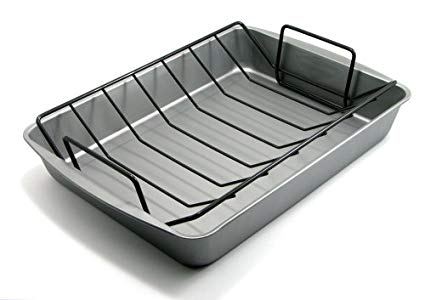
Plopping your bird right into a roasting pan will result in uneven cooking, as the area that comes in contact with the base of the pan will end up dry, or even burnt. The way to go is to utilize a roasting rack, like on the picture, which will ensure the entirety of your bird is edible. If it’s the day of and you find yourself without a rack, don’t fret – layer the bottom of the pan with full carrots, celery sticks or sliced onions to rest below the turkey and keep it from coming into contact with the bottom of the pan.
While basting – pouring the juices at the bottom of the turkey pan back over the top of the meat – will result in a more colorful skin, it doesn’t actually help make your bird any juicier. In fact, excessive basting could be a detriment to the overall success of your bird, as opening the oven door frequently to baste will let the heat out and deter the cooking process as a whole.
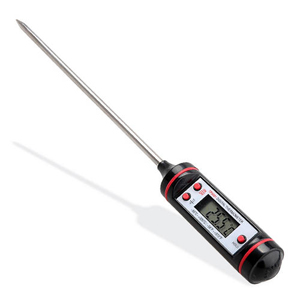
Use a real meat thermometer to monitor the internal temperature precisely, so you know exactly when to take your bird out of the oven. Once the thermometer hits 75 degrees, your bird is safe to consume and ready to come out.
Now that you’ve got your hands on a real thermometer, you need to figure out exactly where to put it. The proper place to measure a turkey’s temperature is in the thickest part of the thigh, right in the crease where it meets the breast. For a turkey 9kg or less, check the temperature at 2.5 hours and every 15 minutes after that; for a turkey above 9kg, begin checking at 3 hours.
While it’s tempting to start digging into your warm, glistening bird 5 minutes after it’s out of the oven, for the best, most flavorful turkey you want to allow the cooked bird to rest for at least 15 minutes. This resting time will allow the juices inside the turkey to soak into the meat, rather than drip out the second you cut it, resulting in a moister main dish. In order to keep the bird warm, tent it in foil until the time comes to carve.
Chances are, unless you have a massive family and friend group, there’s going to be a good amount of leftover turkey to play around with post-holiday. Rather than slicing the entirely of your turkey, only slice a portion of the bird, cutting off more as you need it. By keeping the leftover turkey intact, the next-day meat will be less dried out and more flavorful.